Dragon Ball Z: The History of Trunks
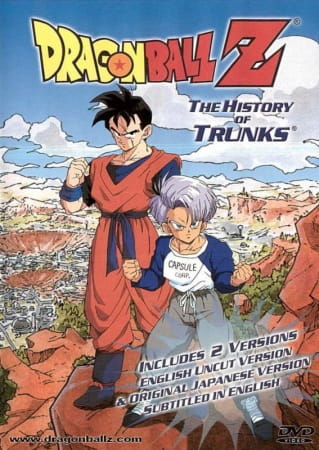
Synopsis — from MyAnimeList
It has been thirteen years since the Androids began their killing rampage and Son Gohan is the only person fighting back. He takes Bulma's son Trunks as a student and even gives his own life to save Trunks's. Now Trunks must figure out a way to change this apocalyptic future.
Audience Consensus
Audience consensus leans heavily positive, with 'The History of Trunks' being widely regarded as one of the best, if not the best, Dragon Ball Z specials. Its departure from the usual tone, focusing on emotional depth and character tragedy, is a major strength for most viewers. Minor criticisms revolve around predictable plot points and a few narrative inconsistencies, but these do not significantly detract from the overall appreciation for its darker, more impactful storytelling.
Strengths
- Offers a darker, more emotional, and character-driven narrative compared to typical Dragon Ball Z fare.
- Effective portrayal of a bleak, apocalyptic future that resonates emotionally with viewers.
- Strong character development for Trunks and Gohan, highlighting their relationship and Gohan's role as a mentor.
- The soundtrack and sound design are praised for enhancing the emotional impact and action.
- Villains (Androids 17 & 18) are presented as more menacing and less cliché than in other DBZ movies.
Weaknesses
- Some plot conveniences and logical inconsistencies, such as civilians enjoying amusement parks amidst destruction.
- The absence of Gohan's final fight against the androids is a notable missed opportunity for many viewers.
- While generally good, some animation scenes are noted as rehashed or not of the highest quality, consistent with its 1993 production.
- The plot can feel shallow or predictable to some, especially given the established lore of the series.
- The special's length is considered by some to be too short, limiting the exploration of certain plot points or character moments.