Dragon Ball Z: Fusion Reborn
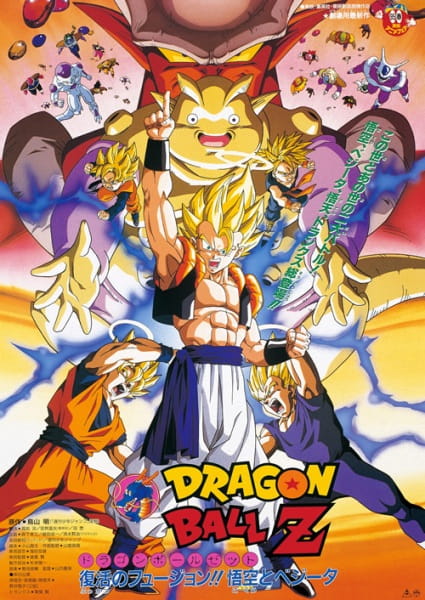
Synopsis — from MyAnimeList
After a janitorial mishap, an unsuspecting custodian transforms into Janemba, a fat, yellow demon who wreaks havoc throughout the afterlife. Gokuu Son has been competing in martial arts tournaments for the undead since his heroic death in the battle against Cell. Soon, Janemba's chaos draws Gokuu and fellow combatant Pikkon toward him, forcing the pair to figure out a way to defeat the giant monster. After a bout with him, Gokuu witnesses Janemba undergo another transformation: the demon sheds his fat and changes color, turning into a sword-wielding enemy more powerful than anyone Gokuu has faced thus far. With the aid of his similarly deceased rival Vegeta, Gokuu must stop the terrifying Janemba from disrupting the very fabric of the universe.
Audience Consensus
Audience reception for Fusion Reborn is notably divided, with many praising its spectacular animation, high-octane action, and comedic moments. However, a significant portion of viewers found the plot weak, the villain underdeveloped, and the climactic battle anticlimactic, leading to a split in overall enjoyment.
Strengths
- Brilliant animation and art style for its time, especially during fight scenes.
- Exciting and well-choreographed action sequences, particularly the fusion scenes.
- Enjoyable blend of action and comedy, with some effective humorous moments.
- Creative villain design and unique, reality-bending abilities of Janemba.
- Strong musical score and sound design that enhances the action.
Weaknesses
- Weak and anti-climactic final fight that ends too quickly.
- Paper-thin villain with little to no personality or developed motive.
- Non-canon story that doesn't fit into the main series continuity.
- Some comedic elements and side plots, like the Hitler parody, felt forced or overstayed their welcome.
- Underutilization of returning villains and secondary characters.